
To the American-Born Chinese Bride Who Feels Caught Between Two Worlds
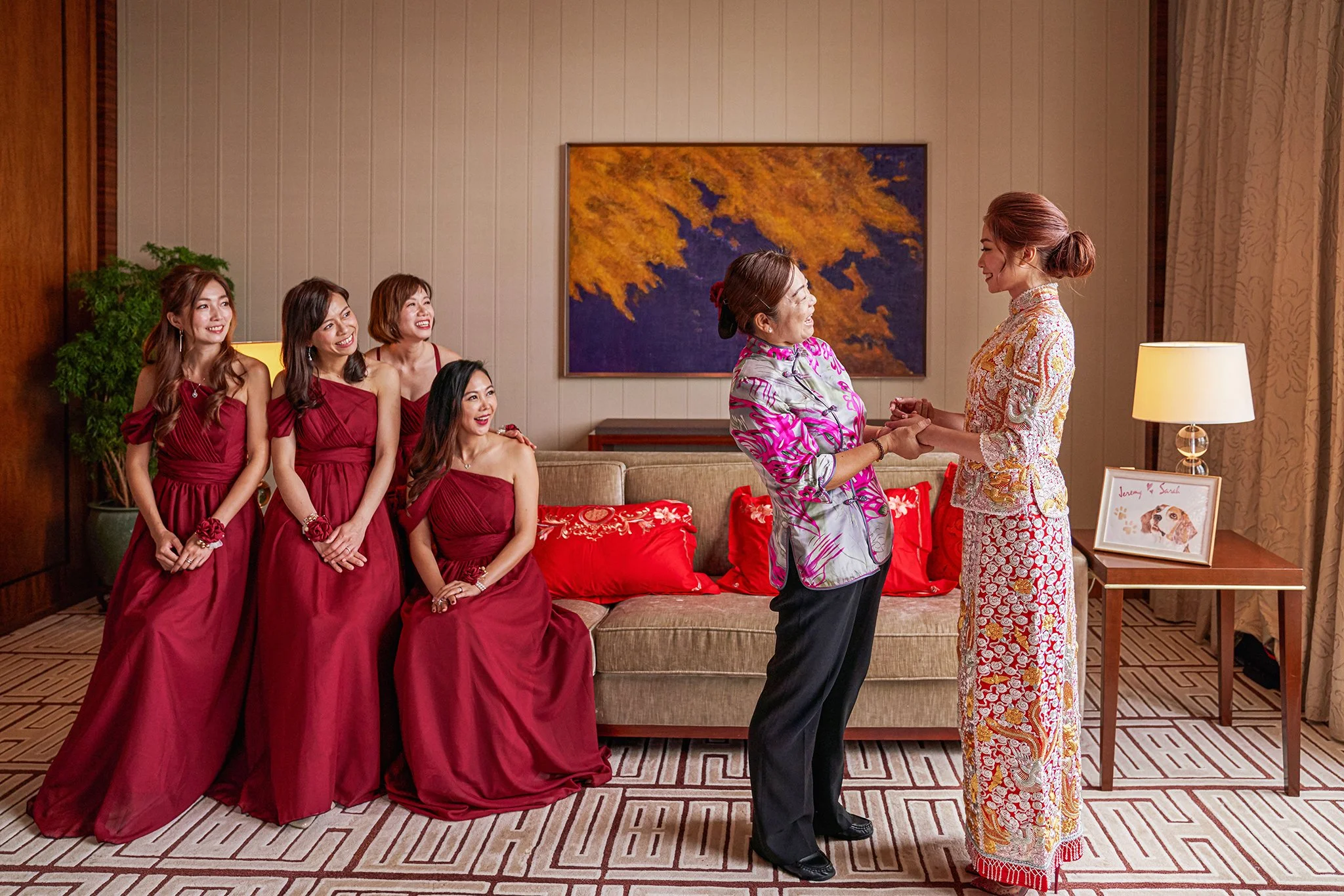
Growing up, I was always a traditional girl.
Even before I became a makeup artist, I loved the meaning behind Chinese wedding customs—the tea ceremony, the red envelopes, the blessings from elders, the dragon and phoenix embroidery on a kua. To many people, they might look like old traditions.
But to me, they were never just rituals.
They were love.
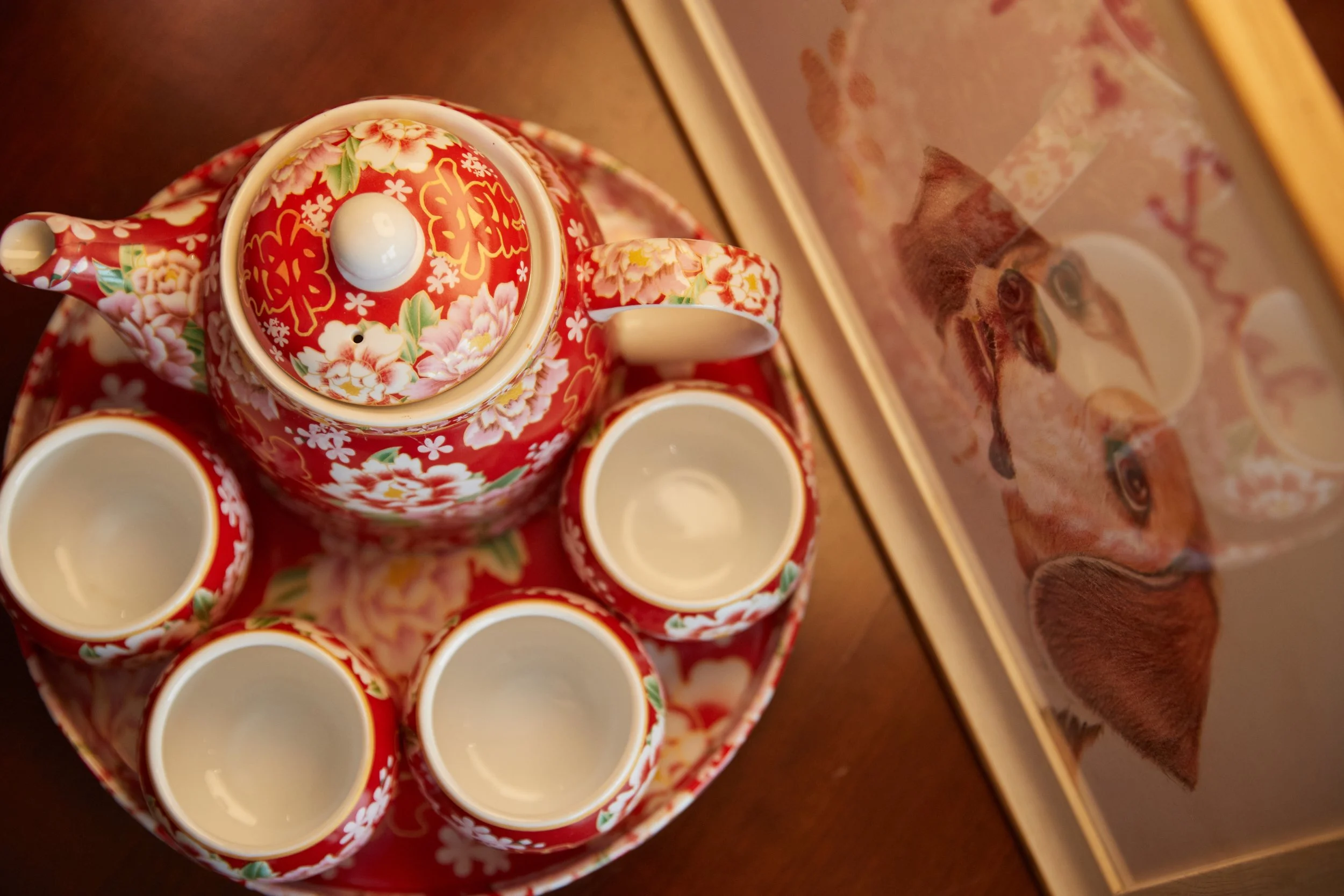
When I got married, I wanted to include as many Chinese traditions as possible. Not because someone forced me to, but because they reminded me of who I was and where I came from.
Serving tea to our parents wasn't simply following a script. It was a way of saying:
"Thank you for raising me."
Wearing a kua wasn't just putting on a beautiful dress. It was carrying generations of stories, blessings, and hopes stitched into every thread.
The laughter during door games wasn't about silly challenges. It was the joy of bringing two families together.
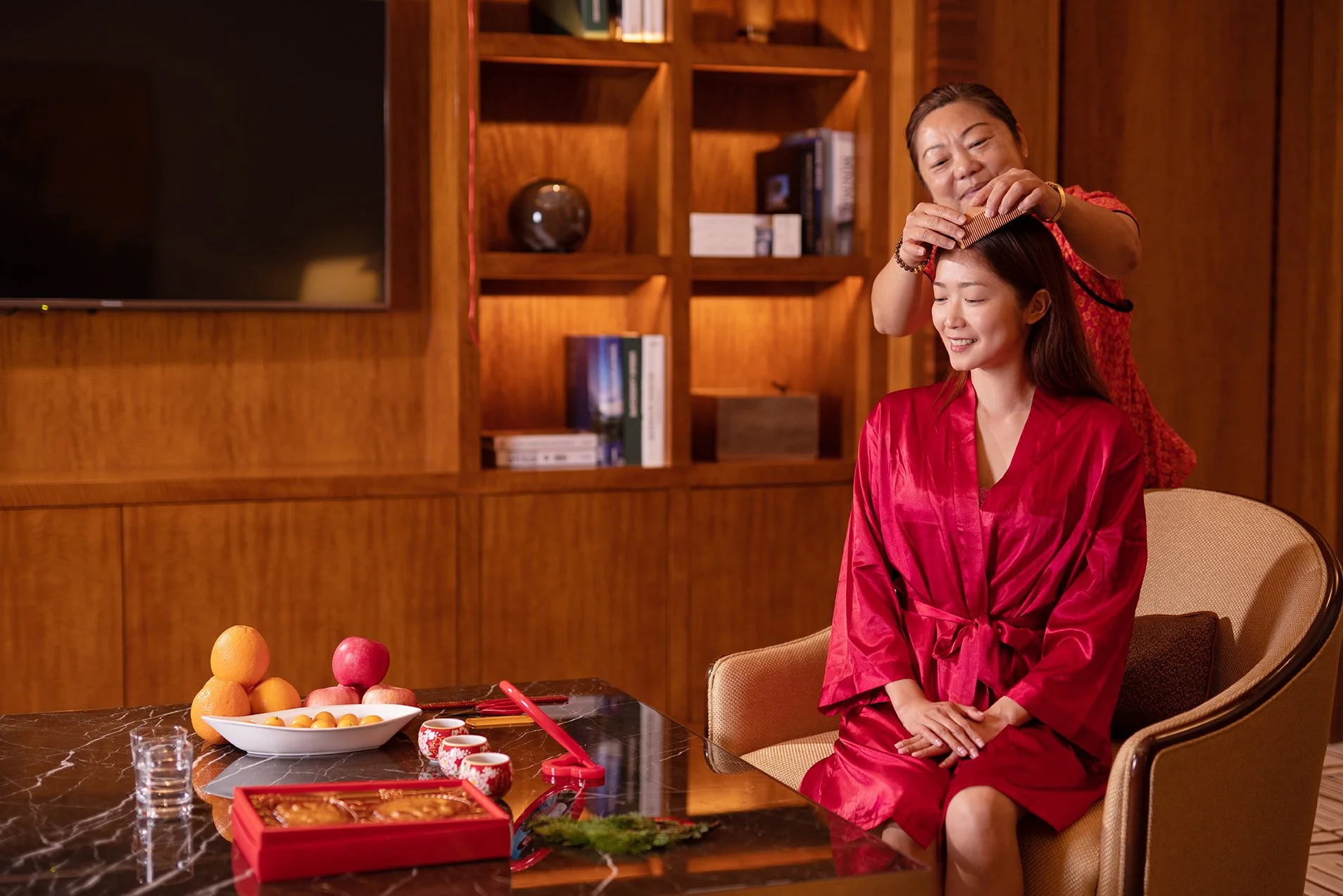
As the years passed and I moved to the United States, I began noticing something that made me a little sad.
Many Chinese wedding traditions slowly became simplified, shortened, or forgotten altogether.
I understand why.
Many of today's brides grew up here. You speak English more comfortably than Chinese. You may have attended Western weddings your entire life. You may not know why your parents insist on a tea ceremony, why your grandmother lights up at the sight of a kua, or why your family cares so deeply about certain customs.
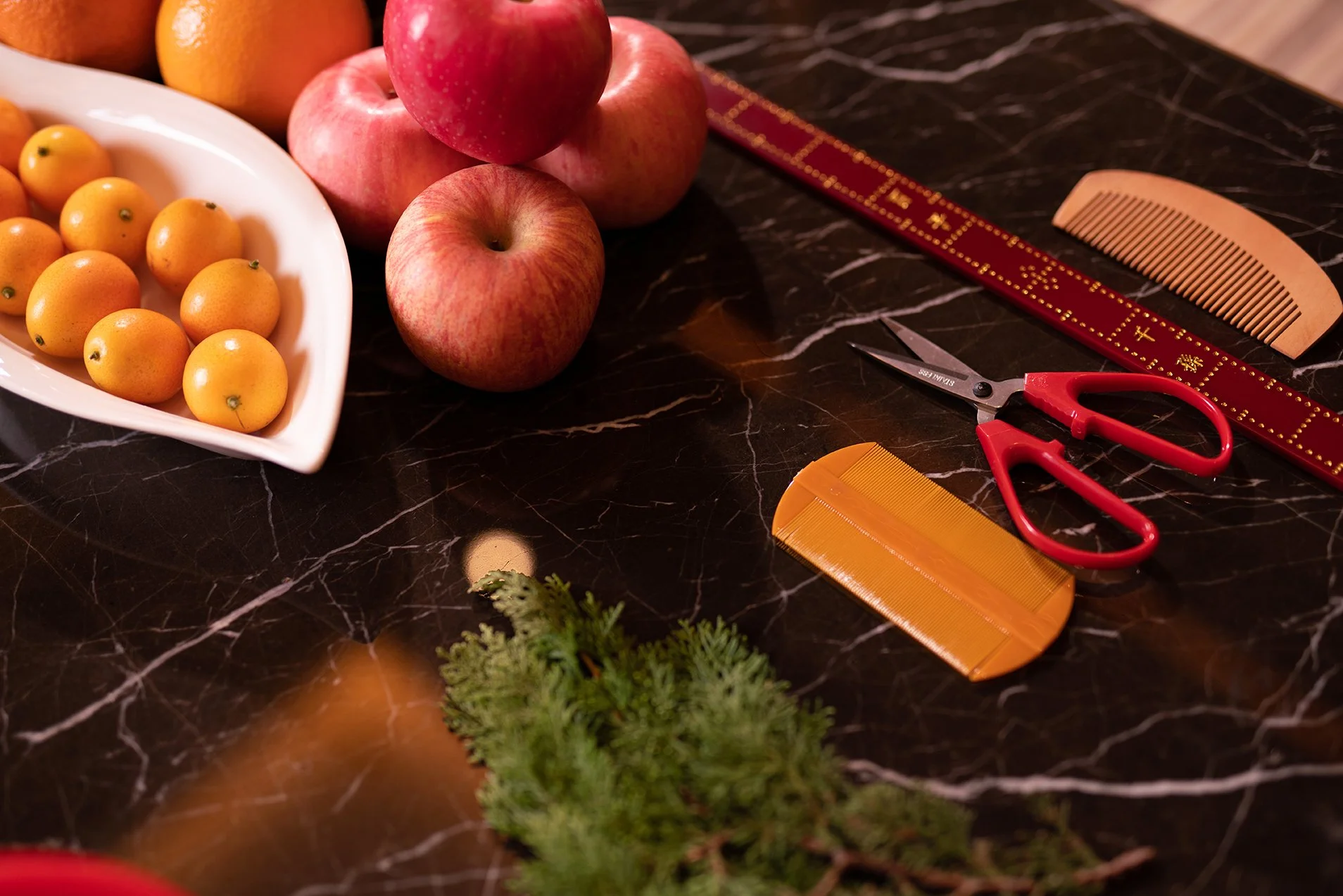
Sometimes it can even feel overwhelming.
You may wonder:
"Do I really have to do all of this?"
"Am I Chinese enough if I don't understand these traditions?"
"How do I honor my parents without losing the wedding I dreamed of?"
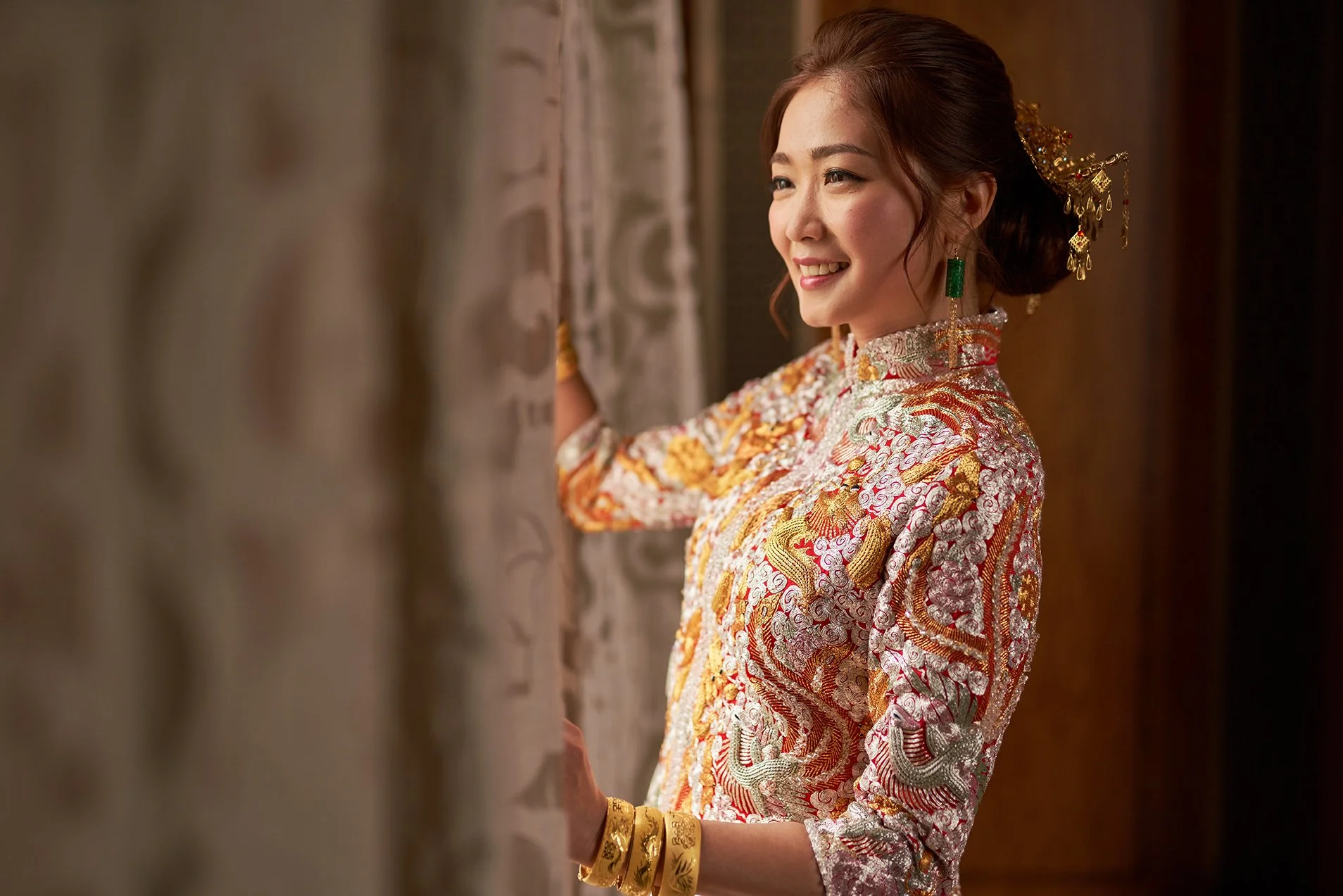
If you've ever felt this way, I want you to know that you're not alone.
I don't believe traditions should be followed blindly.
But I do believe they deserve to be understood before they are forgotten.
Traditions are not rules.
They are memories.
They are stories passed from grandparents to parents, and from parents to children.
They remind us where we came from.
In a world that moves quickly and constantly changes, traditions become anchors.
They teach gratitude.
They teach respect.
They teach us that marriage is not only the union of two people, but also the joining of two families.
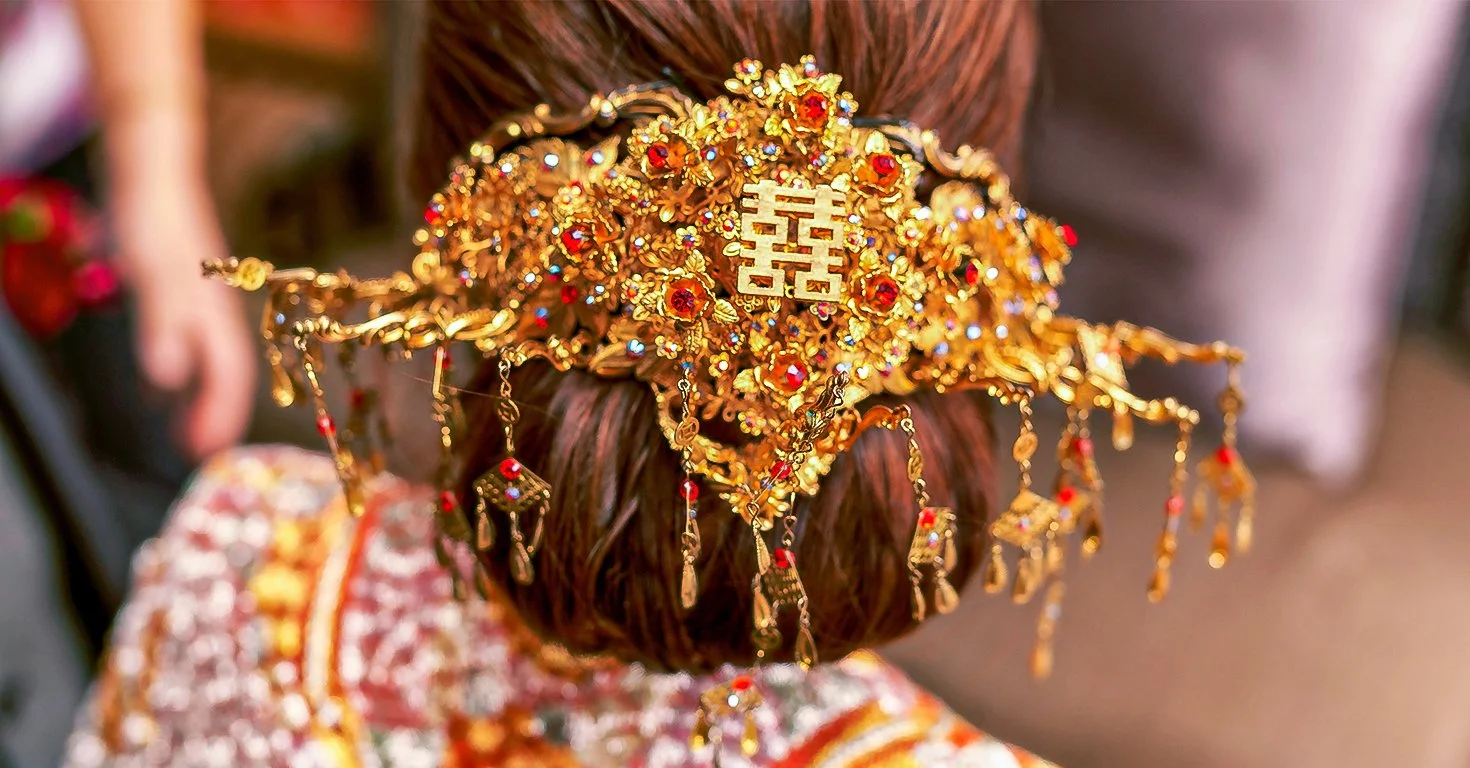
You don't have to include every Chinese wedding custom to honor your heritage.
Maybe you'll have a full tea ceremony.
Maybe you'll wear a kua for only thirty minutes.
Maybe you'll keep only one tradition because it means something special to your family.
There is no "perfect" Chinese wedding.
There is only your wedding.
My hope is simply this:
Before you decide what to keep and what to let go, take the time to understand why these traditions existed in the first place.
Because one day, the tea set your mother carefully prepared may become the tea set you pass down to your own daughter.
The stories your grandmother shared may become stories your children ask you to tell.
And the traditions you choose to preserve may become the memories your family cherishes most.
As a Bay Area Chinese bridal makeup artist, my role is not only to help you look beautiful on your wedding day.
It is to walk alongside you with understanding and compassion.
To help you navigate both modern life and cultural heritage.
To remind you that you don't have to choose between being American and being Chinese.
You can be both.
And your wedding can be a beautiful reflection of exactly who you are.
— Sarah
